
Comprehensive Spine Care in India For Back Pain Surgical & Non-Surgical Treatment
Comprehensive spine care is a modern, patient-first approach to treating back pain, neck pain, disc problems, sciatica, and other spine-related conditions. Instead of assuming that every spine problem needs surgery, this method focuses on finding the right treatment for the right patient at the right time.
Many patients feel confused when they are told to either “get surgery” or “just take medicines.” But spine treatment is not that simple. Some people need surgery, some need minimally invasive procedures, some need pain management injections, and some need rehabilitation and muscle-based treatment. That is where comprehensive spine care becomes important.
What Is Comprehensive Spine Care?
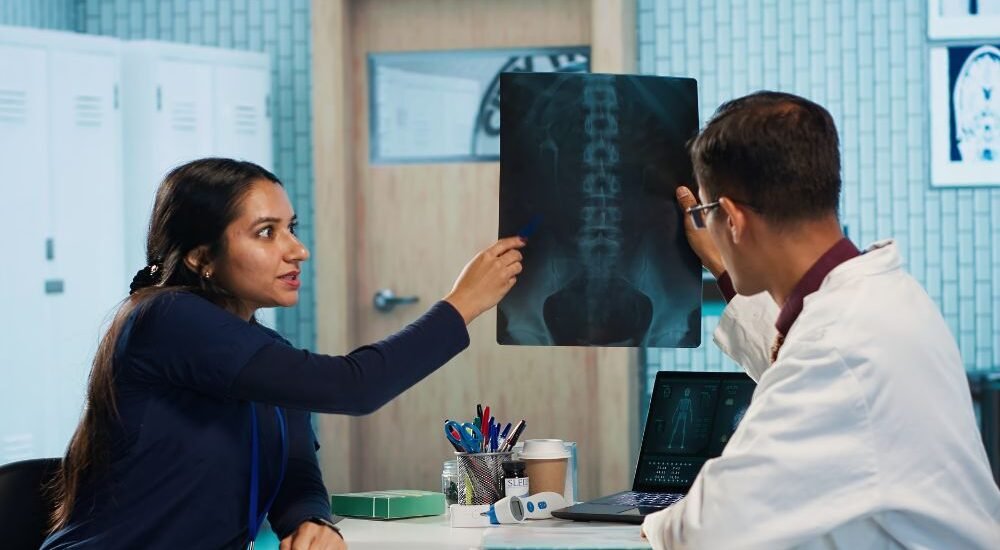
Comprehensive spine care means evaluating the patient as a whole, not just looking at the MRI or X-ray. A good spine treatment plan should consider symptoms, physical condition, age, medical history, fitness for anesthesia, and the exact cause of pain.
This approach is especially useful for patients who may not be fit for traditional spine surgery. For example, a patient with heart disease, lung disease, diabetes, or high blood pressure may not tolerate a major operation safely. Pregnant women or postpartum women may also need treatment options other than standard surgery.
Why Comprehensive Spine Care Is Important?
A major problem in spine care is that patients are often pushed toward one extreme: either surgery or only medicines. Neither approach is always correct. Some patients are not surgical candidates, while others do not need surgery at all. If a patient undergoes surgery without a valid indication, that is not ethical care.
Comprehensive spine care helps bridge this gap. It gives patients access to:
- Accurate diagnosis.
- Safe treatment planning.
- Non-surgical options.
- Minimally invasive procedures.
- Surgery when truly required.
- Rehabilitation and pain-focused care.
The Three Pillars of Comprehensive Spine Care.
1. Spine Surgery When Required
If a patient genuinely needs surgery, the first step is choosing the safest method. In some cases, endoscopic or minimally invasive spine surgery may be preferred. These procedures use small incisions and can sometimes be performed under local anesthesia or epidural block.
This is especially helpful for patients who need surgery but are not fit for general anesthesia. The aim is to reduce pain, reduce recovery time, and make treatment safer.
2. Pain Management Procedures
Some patients cannot undergo surgery immediately, yet their pain is severe. In such situations, pain management procedures play a very important role.
These include:
- Epidural steroid injections.
- Selective nerve root blocks.
- Facet joint injections.
- Sacroiliac joint injections.
- Radiofrequency ablation.
Dorsal root ganglion procedures.
These treatments may give temporary relief or, in some cases, long-term benefit. They can also help patients recover enough to become fit for further treatment.
3. Diagnosing Spine Pain Mimickers
Not all back pain or leg pain comes from the spine itself. Some muscle disorders can mimic sciatica and other spine conditions. Common examples include piriformis syndrome, quadratus lumborum syndrome, gluteus medius syndrome, TFL syndrome, and hamstring tightness.
These conditions are often missed on MRI or X-ray because the real problem is in the muscles, not the bones. Careful clinical examination and targeted injections can help identify the true cause.

A Complete Spine Treatment Model
At its core, comprehensive spine care is about treating the patient, not just the scan. The best spine doctor will not focus only on surgery, injections, medicines, or physiotherapy alone. Instead, the doctor will decide what the patient actually needs.
That may mean:
- Surgery for one patient.
- Pain injections for another.
- Muscle and movement therapy for another.
- A combination of treatments for complex cases.
This is the future of spine care because it is personalized, ethical, and effective.
When Should You Visit a Spine Specialist?
You should consult a spine specialist if you have:
- Back pain lasting more than 2 to 3 weeks.
- Pain radiating to the legs or arms.
- Numbness or weakness.
- Difficulty walking or sitting.
- Repeated pain despite treatment.
- A spine problem along with other medical conditions.
── Common Questions
Frequently Asked Questions
What is comprehensive spine care?
It is a complete treatment approach that uses surgery, injections, rehabilitation, and muscle-based therapy depending on the patient’s condition
Is surgery always necessary for spine problems?
No. Many spine conditions improve without surgery.
What if I am not fit for major spine surgery?
You may still be eligible for minimally invasive treatment or non-surgical pain management
Can sciatica-like pain come from muscles?
Yes. Several muscle-related conditions can closely mimic sciatica.
Why is comprehensive spine care better?
It avoids unnecessary surgery and ensures every patient gets the most suitable treatment.
Ready to discuss your Spine Pain Treatment options with our team?